Asphalt Resurfacing in League City, TX
Build a smoother, stronger surface with professional asphalt paving in League City, TX. From residential driveways and private roads to commercial parking lots and industrial properties, we deliver dependable paving solutions built for durability, proper drainage, heavy traffic, and Texas weather. With careful preparation, quality materials, and attention to every detail, League City Asphalt Paving helps create pavement that looks great and is designed to last.
Professional Asphalt Paving for Driveways, Parking Lots, Roads & Commercial Properties
An asphalt surface can look worn long before the entire pavement structure has reached the end of its useful life. When the foundation remains sufficiently stable, resurfacing may provide a practical way to renew the driving surface without reconstructing every layer.
League City Asphalt Paving provides asphalt resurfacing in League City, TX for driveways, parking lots, private roads, commercial properties, apartment communities, and other paved areas. Resurfacing is also
commonly called an asphalt overlay because a new asphalt layer is installed over a properly prepared existing pavement.
The key phrase is properly prepared. An overlay is not a cure for severe base failure, unresolved drainage problems, or widespread structural movement. The existing pavement must first be evaluated so repairs,
milling, leveling, and other preparation can be included where necessary.
Asphalt Resurfacing in League City, TX
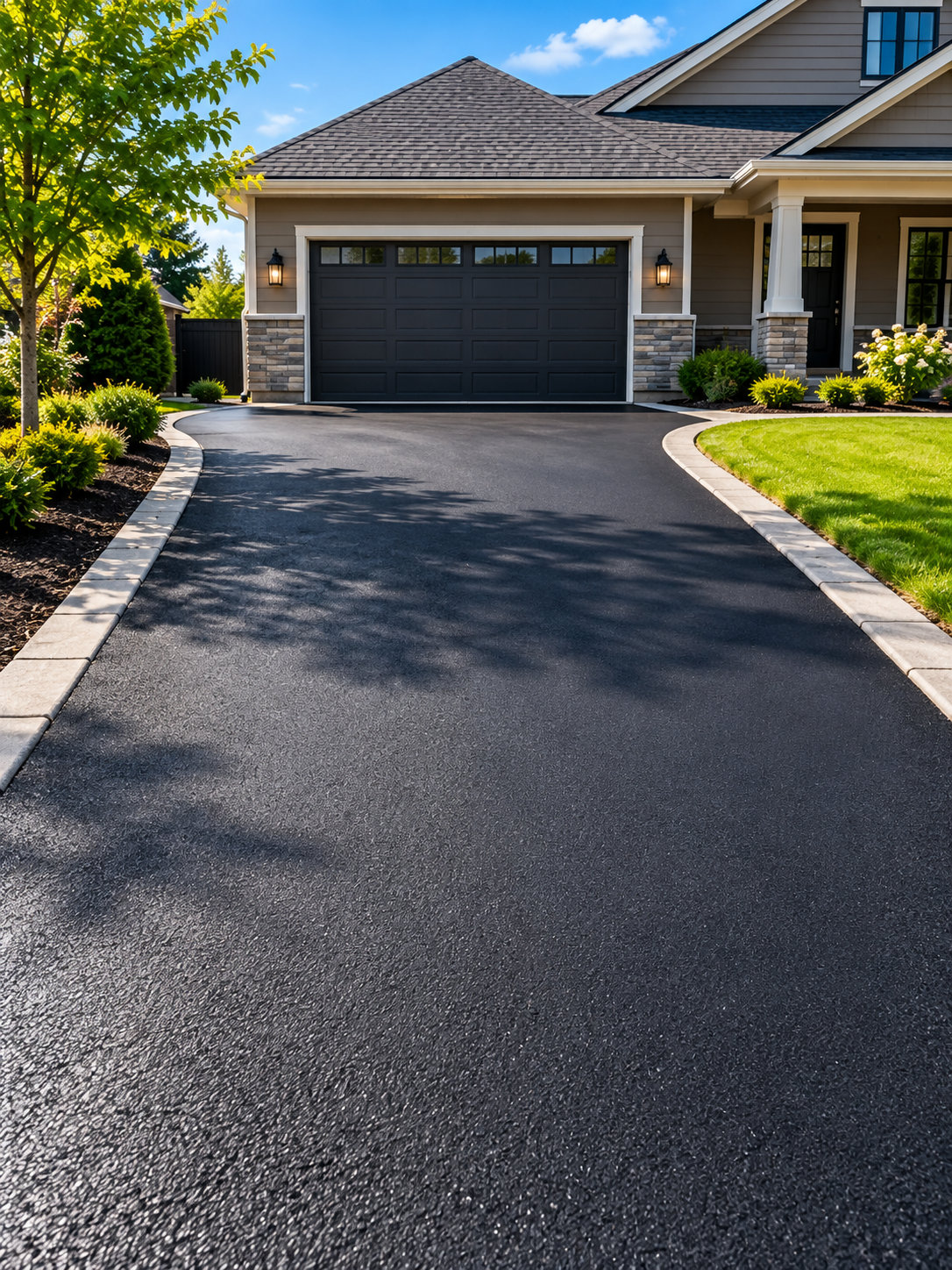
Professional Asphalt Resurfacing in League City
Resurfacing occupies the middle ground between minor maintenance and full reconstruction. It can be appropriate when the pavement surface is oxidized, rough, patched, or moderately cracked but the underlying structure still provides useful support.
A typical resurfacing project may involve repairing failed areas, milling portions of the old asphalt, cleaning the surface, applying a bonding treatment when specified, placing a new asphalt course, compacting it, and completing transitions.
For commercial properties, new striping may follow once the overlay is ready. The result is a new wearing surface, but the success of the project still depends on the condition of what remains underneath.
When Resurfacing May Be a Good Option
Pavement can be a candidate for resurfacing when deterioration is primarily near the surface, the base is generally stable, drainage can be maintained or corrected, and existing elevations allow a new layer to be
installed.
Examples include an older parking lot with surface oxidation and scattered repairs, a driveway with a worn surface but limited structural distress, or a private access road that has become rough while retaining a sound foundation.
Localized failures do not always eliminate resurfacing as an option. Those areas can sometimes be removed
and rebuilt before the overlay is placed.
When Resurfacing May Not Be Enough
Widespread alligator cracking often indicates repeated movement or loss of support. Deep depressions can point to settlement. Recurring potholes may signal failures beneath the surface. Standing water may reveal grade problems. Severe edge breakdown can indicate inadequate support.
Covering these conditions without addressing the cause can allow cracking and deformation to reappear in the new layer.
In those situations, partial-depth or full-depth repairs, drainage corrections, or complete reconstruction may provide better long-term value. A professional evaluation should separate surface aging from structural failure.
Repairing Failed Areas Before an Overlay
A new surface should not be expected to stabilize a failed base.
Before resurfacing, weak areas may need to be saw-cut or milled, deteriorated asphalt removed, unstable material corrected, base rebuilt, and new asphalt patched into place. Cracks may also require treatment depending on their type and severity.
This preparatory work can be less visible in the finished project, but it often has more influence on performance than the final black surface.
Property owners comparing bids should pay close attention to the amount and type of repair work included.
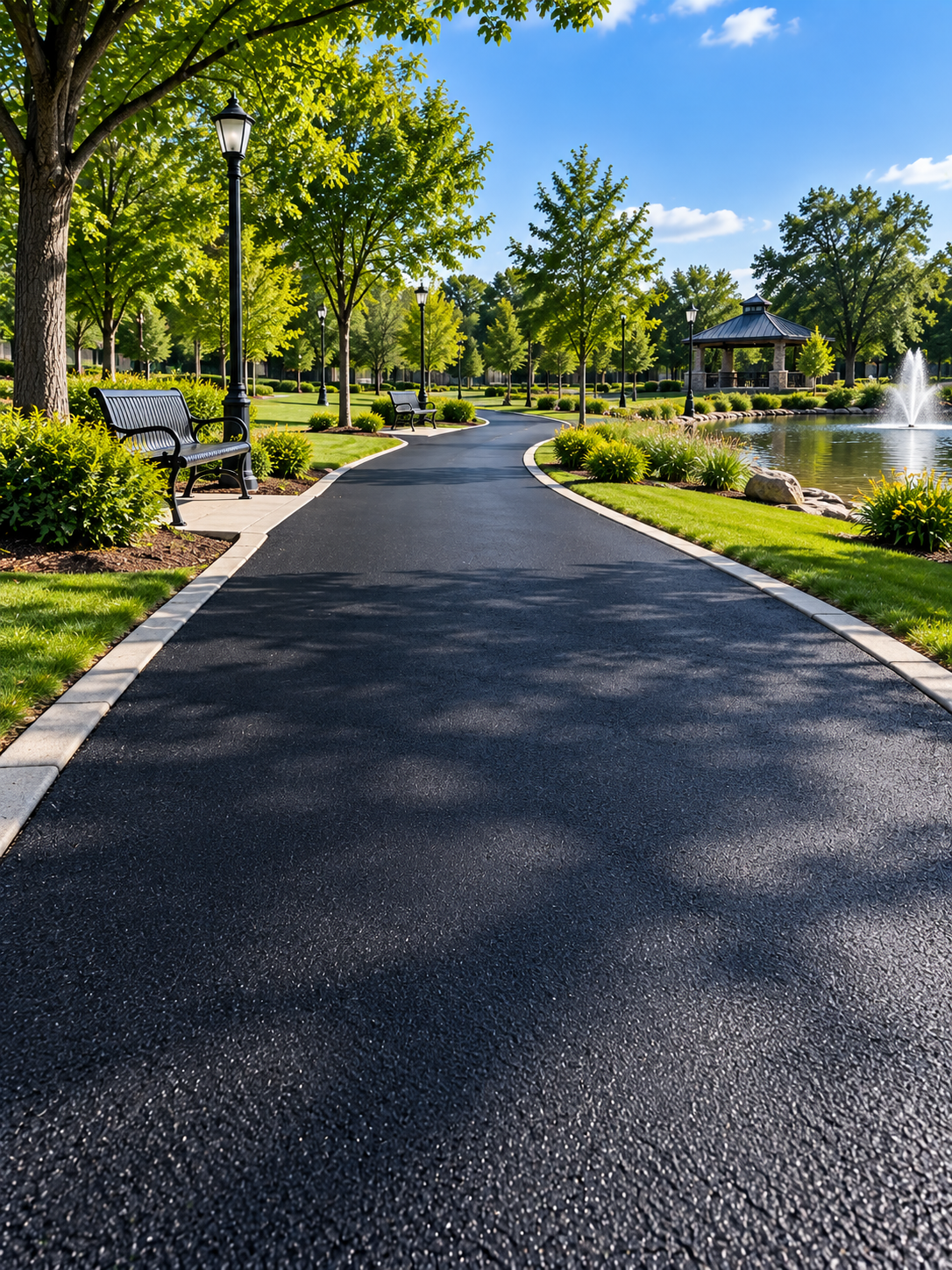
Benefits of Asphalt Resurfacing
Renews the Driving Surface
An overlay can replace a weathered, rough surface with a smoother new asphalt course.
Can Extend the Use of Existing Pavement
When the underlying structure remains serviceable, resurfacing allows property owners to preserve much of the existing pavement system instead of removing everything.
Improves Appearance
A continuous new asphalt surface can unify areas that have become faded, patched, or visually inconsistent.
Restores Functional Surface Characteristics
Resurfacing can improve ride quality and, when grades permit, help refine surface drainage. However, major elevation or drainage deficiencies may require milling, leveling, or reconstruction rather than a simple overlay.
Works for Residential and Commercial Properties
Driveways, parking lots, private roads, apartment communities, churches, offices, and other asphalt properties
can all be candidates if conditions are appropriate.
Milling and Why It Matters
Milling uses specialized equipment to remove a controlled thickness of existing asphalt. It is a common preparation technique for resurfacing projects.
Milling can be used to remove deteriorated surface material, lower pavement near curbs or gutters, preserve drainage elevations, improve transitions at entrances, match adjoining concrete, and create space for the new overlay.
Without milling, adding asphalt raises the finished surface. That can create problems at garage doors, sidewalks, drainage inlets, curbs, utility structures, or neighboring pavement.
Not every resurfacing project requires full-area milling. Some may use edge milling, transition milling, localized removal, or other preparation depending on the site.
Residential Asphalt Resurfacing
For homeowners, resurfacing can be an attractive alternative to full driveway replacement when the existing pavement remains structurally viable.
The process can improve a faded or rough driveway and cover many old patches. Transitions at the garage, sidewalk, street, and neighboring surfaces must be considered so the added asphalt does not create abrupt lips or interfere with drainage.
If the driveway has extensive base failure, significant settlement, or major drainage issues, replacement may be more appropriate.
A contractor should explain the evidence supporting the recommendation rather than assuming every old driveway can receive an overlay.
Commercial Asphalt Resurfacing
Commercial resurfacing requires additional planning because the property may need to remain operational.
Parking lots can sometimes be divided into phases. Entrances, drive aisles, loading areas, employee parking, customer parking, and delivery routes can be sequenced to reduce disruption.
Commercial overlays may also require milling around curbs, gutters, drains, manholes, loading docks, sidewalks, and building entrances. Heavy-truck areas should be evaluated separately because they may have deeper structural damage than ordinary parking stalls.
After paving, new striping can restore parking spaces, traffic arrows, accessible areas, crosswalks, fire lanes, and other markings.
A Typical Asphalt Resurfacing Process
1. Pavement Evaluation
The contractor reviews cracking, rutting, settlement, potholes, drainage, previous patches, edge condition, traffic, and the apparent stability of the pavement structure.
2. Determine Repair and Milling Needs
Failed areas are identified for deeper repair. Milling limits are established around transitions, drains, curbs, or other fixed elevations.
3. Surface Preparation
The pavement is milled or repaired as planned, then cleaned so the new asphalt can be placed on a suitable surface.
4. Bonding and Leveling as Required
A tack coat may be applied to promote bonding between asphalt layers. Leveling material may be used in selected areas when appropriate.
5. New Asphalt Overlay
Fresh asphalt is placed to the project requirements and shaped to the intended grades.
6. Compaction
Rollers compact the new surface while the mix remains workable, creating density and stability.
7. Transitions and Details
Edges, joints, utility structures, entrances, and tie-ins are completed.
8. Striping for Commercial Sites
Pavement markings are restored after the new surface is ready.
Resurfacing and Drainage in League City
League City's flat terrain and heavy-rain potential make elevation management particularly important.
Adding an asphalt layer changes the surface elevation. If the project is not planned carefully, the new pavement could reduce curb reveal, alter flow toward inlets, create low spots, or change transitions. Milling and leveling can help preserve or improve drainage where feasible, but some sites require more substantial corrections.
League City also regulates development in floodplain areas, including certain paving and grading activities.
Property owners planning significant pavement changes should verify applicable requirements for their property.
Resurface, Repair, or Replace?
Choosing among these options is one of the most important pavement decisions. Repair is useful when damage is localized. Resurfacing is useful when deterioration is broader but the existing structure remains viable. Replacement is appropriate when structural failure is too widespread to justify preserving the existing pavement.
Cost should be considered over the expected life of the solution. A low-cost overlay over failing pavement may require repeated repairs. Conversely, removing a stable pavement structure when a well-designed overlay would perform may be unnecessary.
The best decision begins with diagnosis.
Why Professional Resurfacing Matters
An overlay can look simple because the finished work is a new layer of asphalt. In reality, preparation and elevation control require experience.
The contractor must determine where milling is needed, how repairs should be completed, how the new layer will meet existing surfaces, and how drainage will function after elevations change.
Asphalt delivery and placement also require coordination. The material must arrive, be placed, and be
compacted efficiently. Joints and transitions should be constructed carefully.
Professional work is not just about placing new material; it is about integrating that material with the pavement system that remains.
Choosing an Asphalt Resurfacing Contractor in League City
Ask contractors to define the difference between the proposed overlay and full replacement. Request details
about milling, repair quantities, crack treatment, tack coat, asphalt placement, compaction, transitions,
drainage, striping, and traffic control.
If the pavement has recurring failures, ask how the proposal addresses them. If an estimate assumes that
certain base repairs will be handled as additional work, make sure that is clear before construction.
For commercial sites, discuss phasing and access. For residential driveways, discuss garage and street
transitions and how the added surface elevation will be managed.
Why Choose League City Asphalt Paving
League City Asphalt Paving can help property owners evaluate whether asphalt resurfacing fits the condition of their pavement.
Because we also address new paving, driveway paving, commercial paving, parking lot paving, and sealcoating, the conversation does not have to begin with the assumption that one treatment is always correct.
We focus on the factors that determine pavement performance: existing condition, foundation support, drainage, traffic, preparation, material placement, compaction, and maintenance.
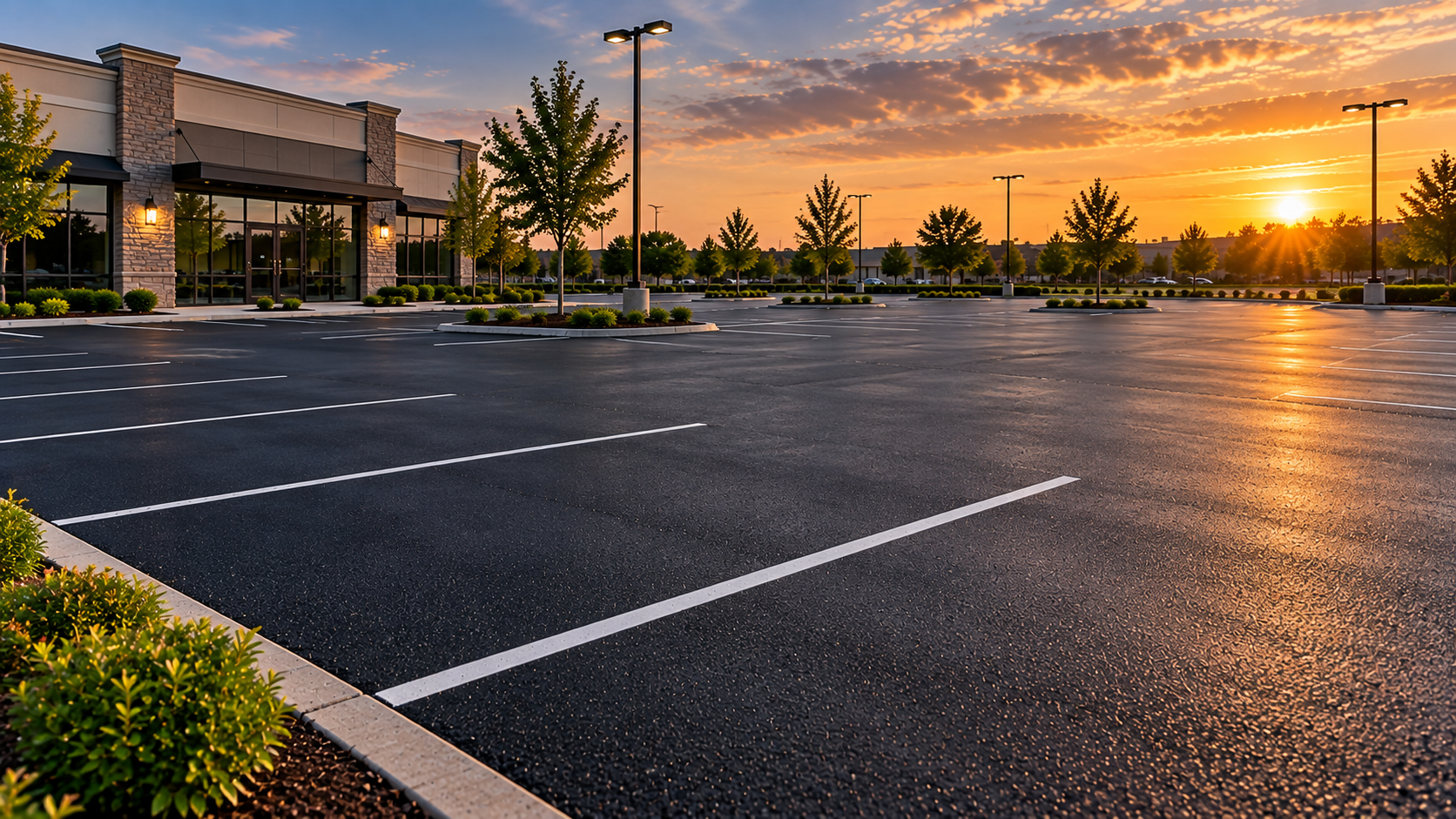
Frequently Asked Questions About Asphalt Resurfacing
What is asphalt resurfacing?
Resurfacing generally means preparing an existing asphalt pavement and placing a new asphalt layer over it. It is often called an overlay.
How is resurfacing different from sealcoating?
Sealcoating is a thin protective surface treatment. Resurfacing installs a new structural asphalt layer. Sealcoating cannot correct the same level of wear or deterioration that an overlay can address.
How is resurfacing different from replacement?
Resurfacing preserves most of the existing pavement structure. Replacement removes failed pavement so deeper base or subgrade problems can be corrected before rebuilding.
Will old cracks come back through a new overlay?
Some existing cracks can eventually reflect through an overlay, especially when movement continues below. Proper repair and preparation can reduce problems, but an overlay cannot permanently neutralize every underlying crack.
Why would a parking lot need milling before resurfacing?
Milling can remove deteriorated material and preserve elevations around curbs, drains, doors, sidewalks, and other fixed features. It also helps manage the thickness of the new surface.
Can potholes simply be paved over?
Failed areas should generally be repaired before the overlay. Paving over a pothole without addressing the damaged pavement below can allow the failure to return.
Can resurfacing improve drainage?
It can refine surface grades in some situations, especially when combined with milling and leveling. Major drainage problems caused by site geometry or settlement may require more extensive work.
Is my driveway a candidate for resurfacing?
Possibly, if the base is stable and deterioration is mainly at the surface. Widespread structural cracking, deep settlement, or severe drainage issues may make replacement more appropriate.
Can a commercial lot be resurfaced in phases?
Often yes, depending on the site. Phasing can preserve some customer, employee, or tenant access while work progresses.
Request an Asphalt Resurfacing Estimate
If your asphalt is worn, rough, faded, or heavily patched but may still have a serviceable foundation, contact League City Asphalt Paving. We can discuss asphalt resurfacing in League City, TX, evaluate whether an overlay is appropriate, and explain any repair or milling work that should be considered first.
Our services include:
Asphalt paving • Asphalt driveways • Commercial parking lots • Asphalt repair • Pothole repair • Asphalt patching • Asphalt resurfacing • Asphalt overlays • Sealcoating • Crack repair • Parking lot striping • Private road paving • Pavement maintenance
A successful asphalt project begins with understanding the property.
Instead of guessing whether you need repair, resurfacing, or complete replacement, have the pavement evaluated and determine which solution makes sense for its current condition and intended use.
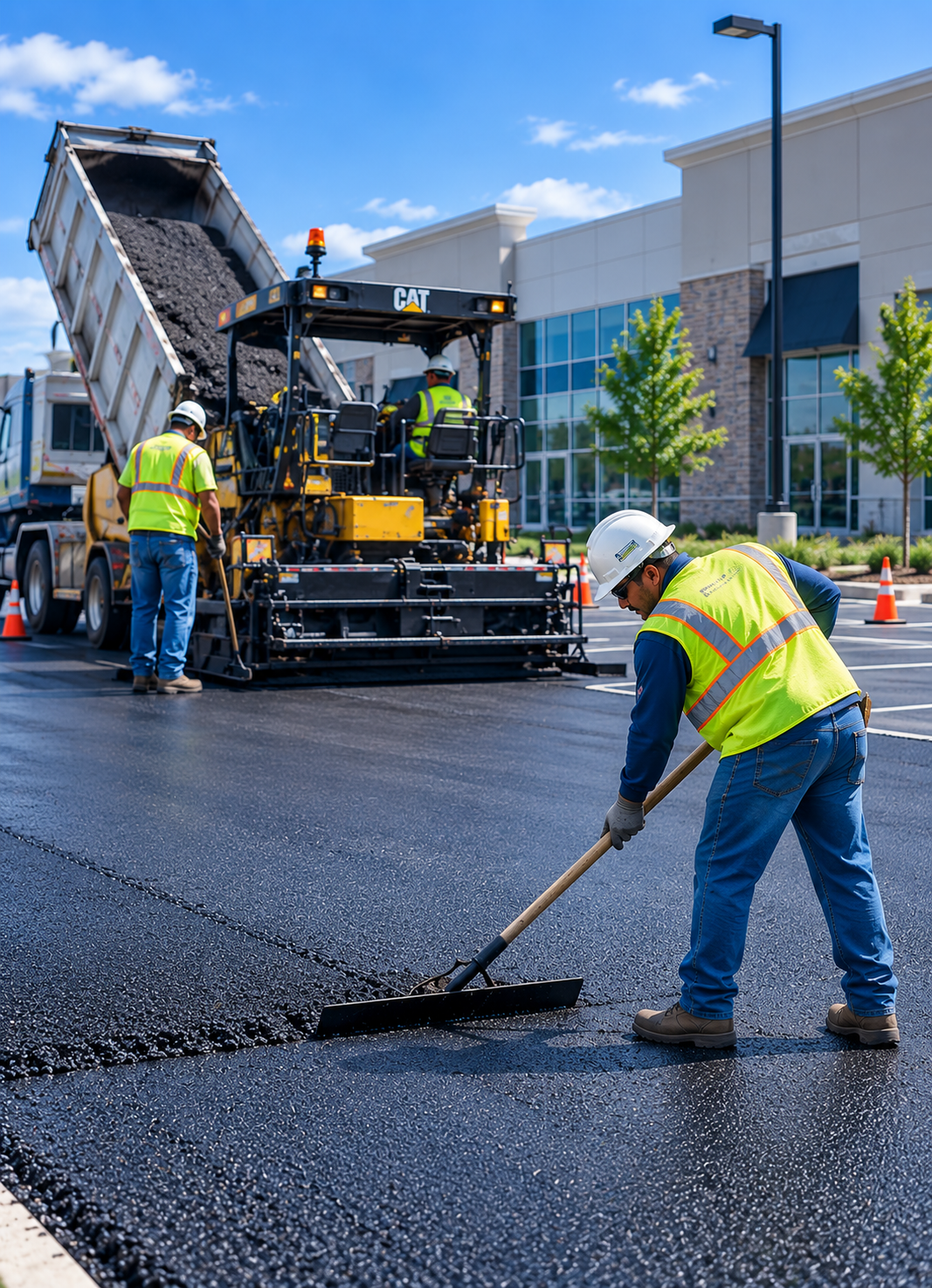
Get an Asphalt Paving Estimate in League City, TX
Choose a paving company that understands that quality pavement starts long before the final asphalt surface is installed.
From preparation and grading to paving, compaction, repairs, and preventative maintenance, League City Asphalt Paving is committed to helping local property owners create smooth, durable, attractive pavement.
Whether you're improving your home's driveway or planning a large commercial parking lot project, we're ready to discuss your paving needs.
Contact League City Asphalt Paving today to request an estimate for asphalt paving in League City, TX.
League City Asphalt Paving
Professional Asphalt Paving for Residential & Commercial Properties
New Asphalt Paving | Driveways | Parking Lots | Repairs | Resurfacing | Sealcoating | Striping
Request Your Asphalt Paving Estimate Today
leaguecityasphaltpaving
2001 Central Cir
Suite 301
McKinney, TX 75069
(972) 299-3797
info@leaguecityasphaltpaving.com