
Residential Paving in League City, TX
Build a smoother, stronger surface with professional asphalt paving in League City, TX. From residential driveways and private roads to commercial parking lots and industrial properties, we deliver dependable paving solutions built for durability, proper drainage, heavy traffic, and Texas weather. With careful preparation, quality materials, and attention to every detail, League City Asphalt Paving helps create pavement that looks great and is designed to last.
Professional Asphalt Paving for Driveways, Parking Lots, Roads & Commercial Properties
A residential paving project affects how you enter, park at, and use your property every day. The visible asphalt surface matters, but long-term performance depends just as much on what happens underneath it:
drainage, subgrade condition, base preparation, grading, pavement thickness, compaction, and clean transitions.
League City Asphalt Paving provides residential paving in League City, TX for homeowners and residential property owners planning new asphalt surfaces, replacement paving, driveway expansions, private access areas, and improvements to aging pavement. The objective is to create a practical surface designed around the property's layout and expected use rather than treating every residential project the same.
League City's combination of heat, intense rain events, low-lying terrain in parts of the community, and continued residential growth makes site preparation and water management particularly important. A driveway
that looks smooth on installation day can still develop premature problems if the foundation or drainage is
overlooked.
Residential Paving in League City, TX
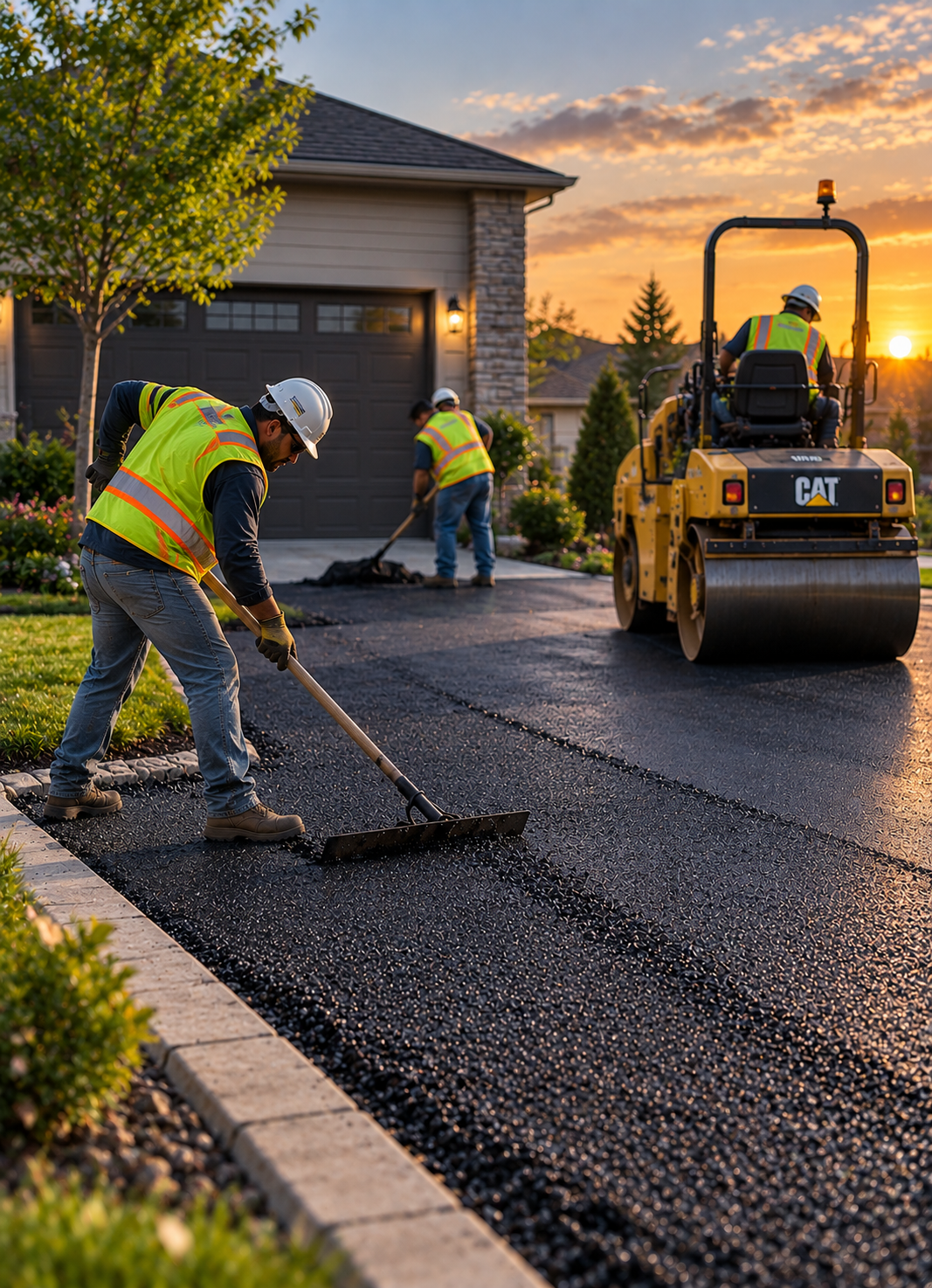
Residential Asphalt Paving Services in League City
Residential asphalt can be used for driveways, private lanes, parking pads, turnaround areas, access routes, driveway extensions, and other vehicle surfaces around a home or residential development.
Projects generally fall into several categories. New construction requires creating a pavement system from the ground up. Replacement work may require removing deteriorated asphalt and correcting failed areas below it.
Resurfacing can be appropriate when an existing pavement structure remains stable enough to receive a new asphalt layer. Localized repairs may be sufficient when damage is limited. The right choice depends on the condition of the property, not simply on how old the pavement is.
Why Asphalt Works Well for Residential Properties
Asphalt offers a smooth, continuous driving surface with a clean appearance that fits many residential settings. It can accommodate curved layouts and varied driveway shapes, and future repairs can often be completed in localized areas when necessary.
Asphalt is also a flexible pavement system. That flexibility does not eliminate the need for a strong foundation; rather, it makes proper base support and compaction essential. Repeated wheel loads still need to be transferred through the pavement into stable underlying materials.
For homeowners, another advantage is maintainability. Cracks, isolated damage, surface aging, and eventually resurfacing can often be addressed in stages when the underlying pavement remains viable.
Common Residential Paving Projects
New Asphalt Driveways
A new driveway begins with planning the route, width, parking needs, connection to the street, garage elevation, drainage, and surrounding landscape. The paving area is then excavated and prepared as
necessary before base materials and asphalt are installed.
Driveway Replacement
Replacement may be appropriate when an existing driveway has widespread cracking, numerous potholes, major settlement, edge failure, or structural deterioration. Removing failed material also creates an opportunity
to correct base and grading problems rather than covering them.
Driveway Extensions
Families often need more usable parking as household needs change. An extension can add space for another vehicle, trailer, recreational equipment, or easier maneuvering. The connection between old and new pavement should be planned carefully to manage elevations and drainage.
Parking Pads and Turnarounds
A properly planned parking pad can reduce the need to park on grass or soft ground. Turnaround areas can improve access on properties where backing directly into traffic is inconvenient.
Private Residential Lanes
Longer private drives and shared residential access routes require attention to traffic patterns, drainage, edge support, and the possibility of service or delivery vehicles that are heavier than normal passenger cars.
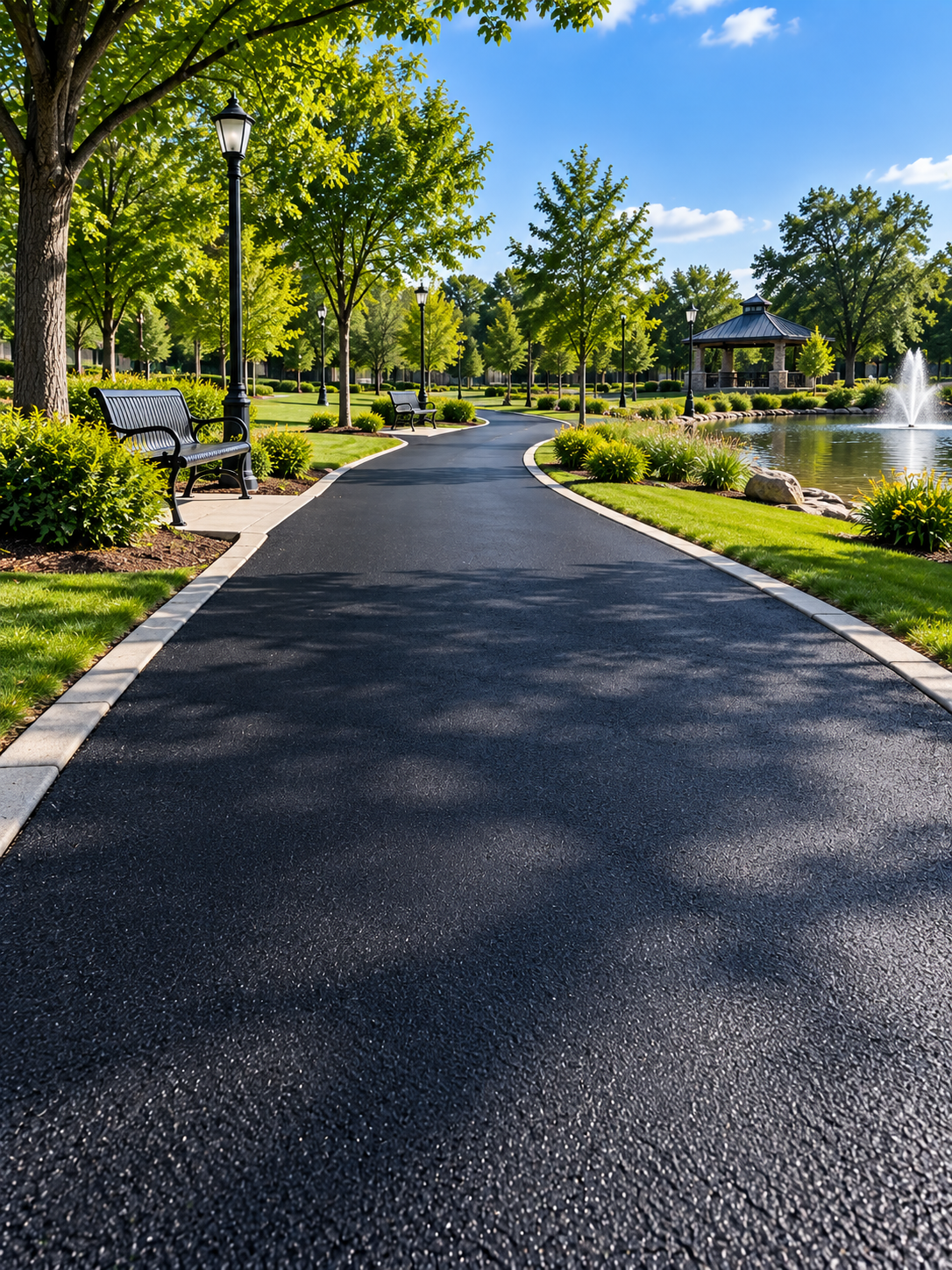
Drainage Is a Core Part of Residential Paving
Water is one of the most important design considerations for any pavement. League City is especially sensitive to drainage because the area can experience heavy rainfall and much of the city has limited natural slope.
A residential driveway should be graded so water moves toward an appropriate drainage path instead of collecting against the garage, home, neighboring property, or in low spots on the pavement. Existing swales, ditches, curbs, sidewalks, culverts, and stormwater features may all influence the design.
In some locations, paving or grading can also interact with floodplain and local development requirements. Property owners considering significant site changes should verify applicable city requirements.
Good drainage is not simply about avoiding puddles. Water that repeatedly enters cracks, pavement edges, or weak areas can contribute to loss of support below the asphalt.
The Importance of the Subgrade and Base
The subgrade is the prepared soil beneath the pavement system. Above it, an aggregate base may be installed to provide a stable platform for the asphalt. The required preparation varies by site.
Soft, wet, disturbed, or poorly compacted areas can create future settlement. If unstable material is discovered, simply placing asphalt over it may hide the problem temporarily rather than solve it.
A professional paving plan considers the expected loads. A driveway carrying passenger vehicles has different demands than one regularly used by heavy trucks, large recreational vehicles, or construction equipment.
Base materials need to be placed and compacted appropriately. The goal is a firm, uniform foundation that
supports the asphalt and helps the pavement maintain its shape.
Asphalt Materials and Residential Pavement Design
Hot-mix asphalt is produced by combining asphalt binder with carefully graded aggregates. Mix selection and pavement thickness should be appropriate for the intended use and project conditions.
There is no responsible universal thickness recommendation for every residential driveway. Soil support, base depth, traffic, existing pavement, drainage, and project specifications all influence design.
The asphalt is placed while hot and then compacted with paving equipment. Compaction reduces air voids and helps create a dense, stable surface. Edges, joints, and transitions deserve careful attention because they are common points of stress.
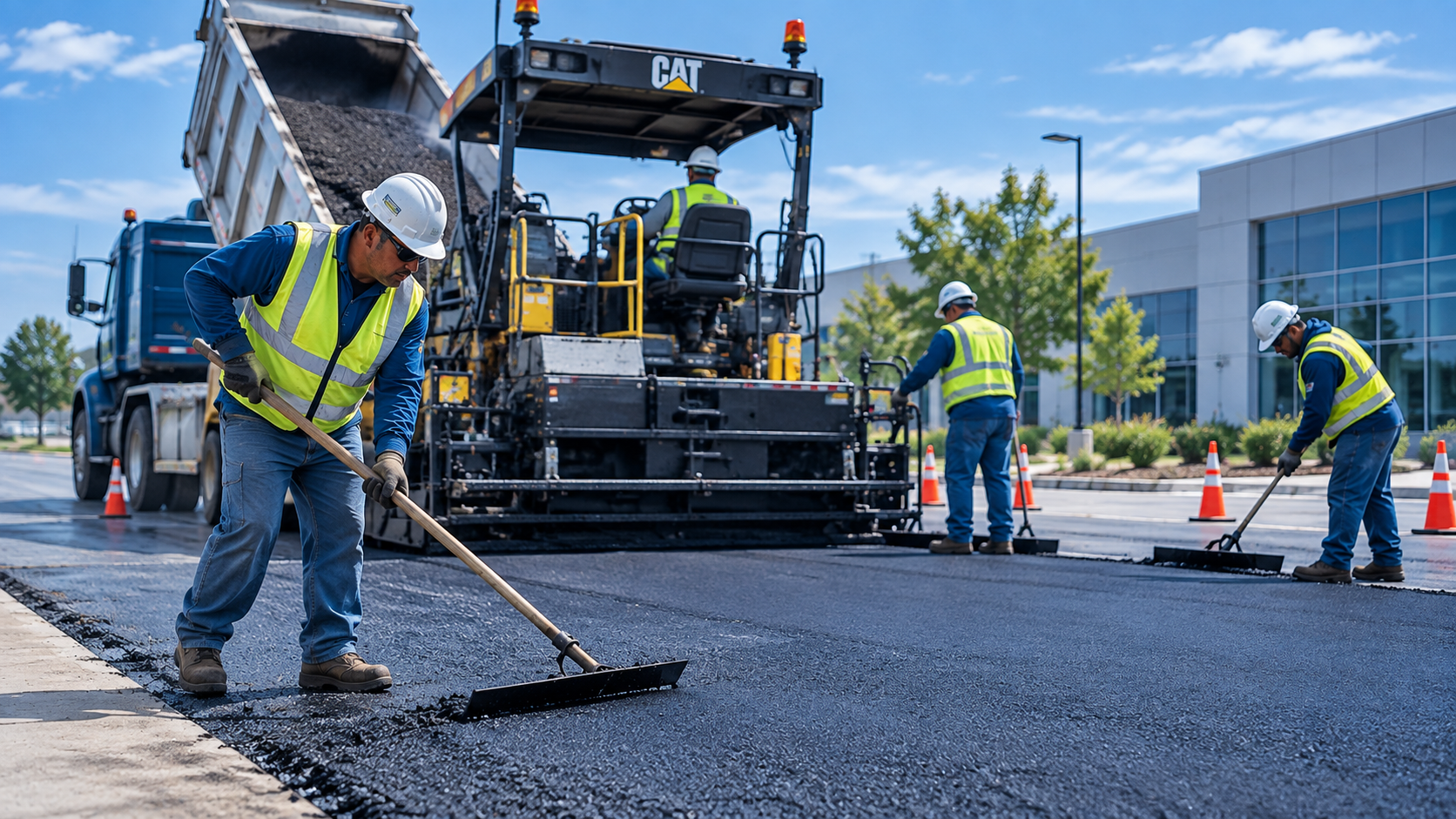
A Typical Residential Paving Process
Property Review and Planning
The project begins by reviewing the proposed paving area, access, existing pavement, drainage, garage and street elevations, utilities, landscape constraints, and how the homeowner intends to use the surface.
Removal or Excavation
For replacement or new construction, existing materials may need to be removed and the area excavated to accommodate the pavement structure.
Subgrade Preparation
The underlying soil is shaped and compacted. Weak areas may require correction before base construction continues.
Base Installation and Grading
Aggregate base is installed where appropriate, graded, and compacted. Final elevations are established to support drainage and smooth transitions.
Asphalt Placement
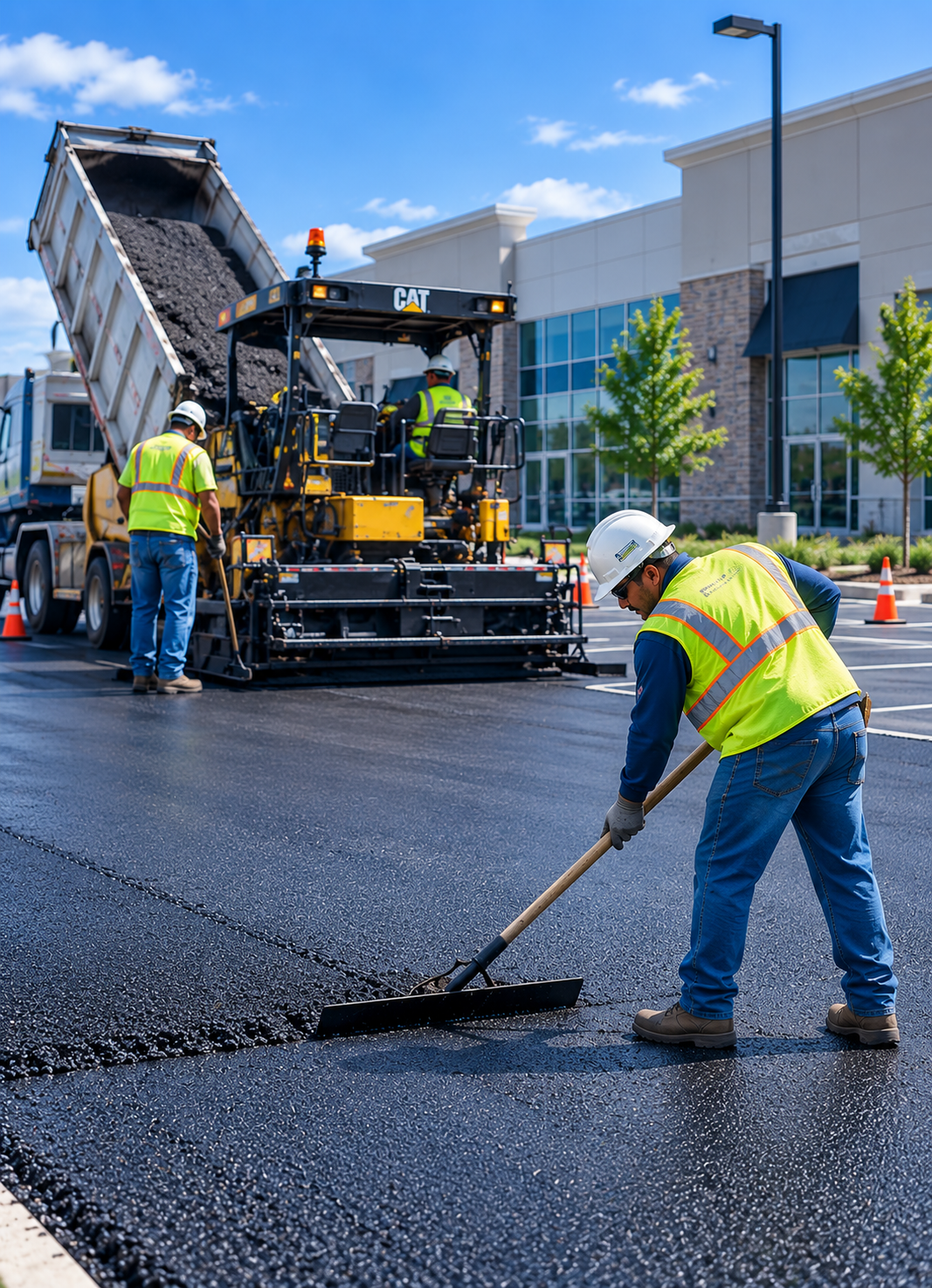
Asphalt is delivered, placed, and shaped to the planned grades. Work sequencing is important because asphalt must be placed and compacted while it remains workable.
Compaction and Finish Work
Rollers compact the pavement. Edges, tie-ins, garage approaches, sidewalks, and street connections are completed so the surface functions as a unified driveway.
Opening to Traffic
The contractor provides guidance about when normal use can resume. Fresh asphalt can remain more susceptible to scuffing or indentation during very hot weather, particularly from sharp turning movements or concentrated loads.
New Paving vs. Resurfacing vs. Repair
A homeowner does not always need full replacement.
Localized repair may be appropriate when most of the pavement is stable but a few areas have failed. Resurfacing can be considered when the existing pavement structure remains sufficiently sound and the primary deterioration is at the surface. Full reconstruction becomes more relevant when cracking, settlement, base failure, drainage problems, or deterioration are widespread.
An overlay placed on a badly failed foundation can reflect many of the existing problems into the new surface. That is why a pavement evaluation should precede the recommendation.
Why Professional Residential
Paving Matters
Residential paving requires heavy equipment, hot materials, accurate grading, compaction, and coordination around structures and existing surfaces. Small mistakes can create long-term inconvenience.
Insufficient base preparation can lead to settlement. Poor grading can send water toward a garage or create ponding. Thin or poorly compacted asphalt can be more vulnerable to deformation. Weak edges can break down when vehicles repeatedly drive off the pavement.
Professional installation is also about matching the solution to the property. A contractor should be able to explain why a repair, overlay, or replacement is being recommended and what preparation is included.
Choosing a Residential Paving Contractor in League City, TX
Ask prospective contractors to explain how they evaluated the existing pavement and what assumptions are
included in the estimate. Clarify removal depths, base work, drainage, milling, asphalt placement, traffic
control, striping, cleanup, and any exclusions.
For occupied properties, ask how the project will be phased and what areas must close. For heavy-use
properties, discuss truck traffic and loading zones specifically.
If plans or specifications have been prepared by an engineer, estimates should follow those documents. If the
project is design-build or maintenance-oriented, the contractor should clearly explain the proposed approach.
Why Choose League City Asphalt Paving
League City Asphalt Paving provides commercial asphalt solutions for properties that need new construction, replacement, resurfacing, repair, or ongoing pavement maintenance.
We focus on practical project considerations: foundation support, grading, drainage, traffic, access, asphalt placement, compaction, and clean transitions. We can also discuss related services such as parking lot paving, sealcoating, and resurfacing so property owners can compare alternatives.
No two commercial sites operate exactly the same way. Our goal is to help develop a scope that reflects the condition and use of the property.
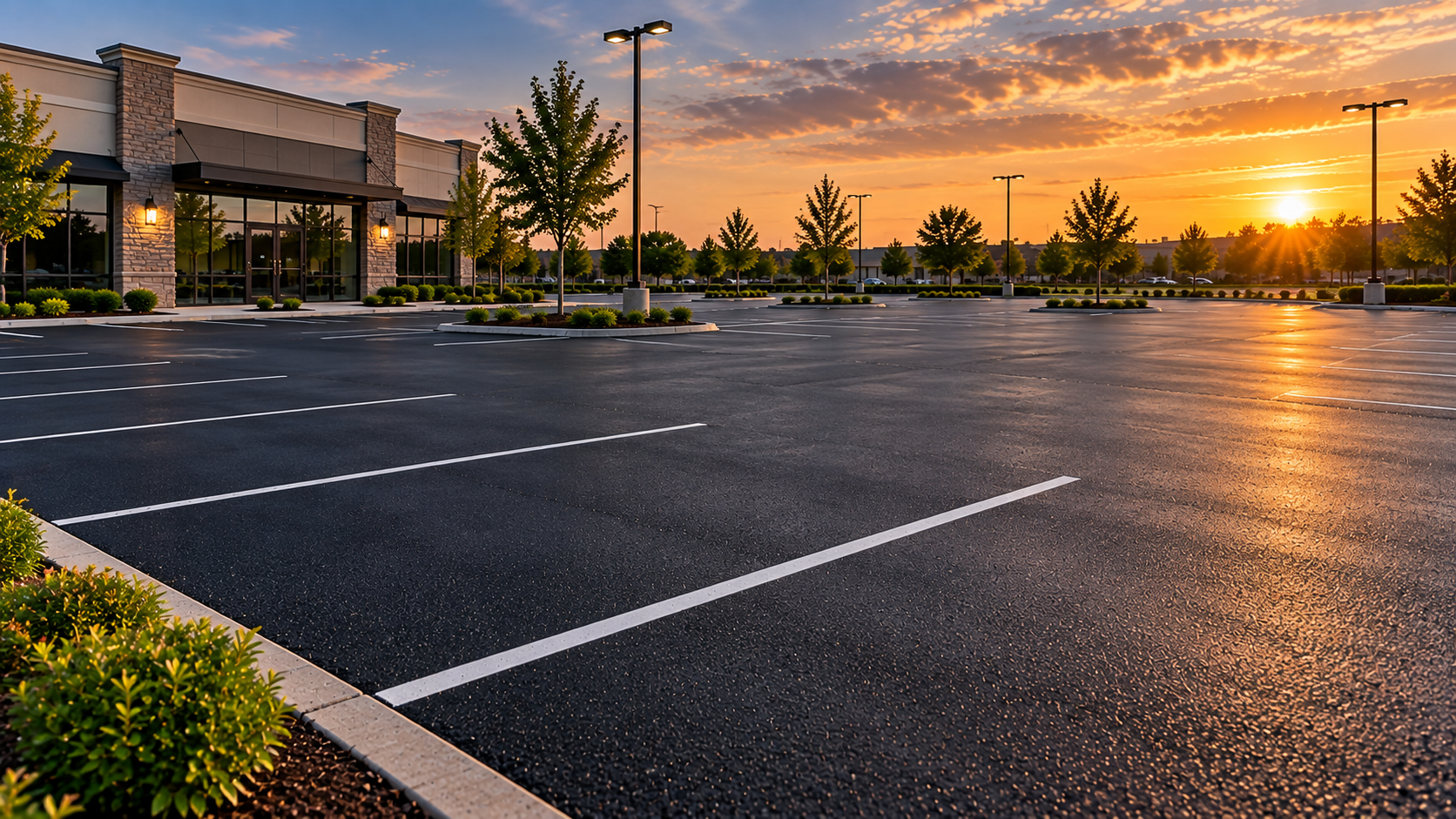
Frequently Asked Questions About Residential Paving
How long does an asphalt driveway last?
Service life varies widely. Foundation quality, drainage, asphalt design, traffic, climate, maintenance, and construction quality all influence performance. A well-built driveway with sensible maintenance can provide many years of use, but no single lifespan applies to every property.
Can asphalt be installed over my old driveway?
Sometimes an overlay is appropriate, but only if the existing pavement and foundation are stable enough. Severe cracking, settlement, or base failure may need repair or removal first.
What causes asphalt driveways to crack?
Cracking can result from aging, movement, weak support, water infiltration, settlement, heavy loads, construction joints, or other stresses. Crack patterns often provide clues about the underlying cause.
How important is driveway drainage in League City?
Very important. Heavy rainfall and relatively flat terrain make surface drainage a key design consideration. The driveway should move water toward an appropriate drainage path and away from structures.
Can you widen an existing asphalt driveway?
Driveway extensions and widening are common residential projects. The new section needs suitable excavation, base support, grading, and a well-planned connection to the existing pavement.
Is asphalt suitable for a long private driveway?
Yes, asphalt is commonly used for private drives. Longer routes require careful planning for drainage, base preparation, widths, curves, edges, and any heavier vehicles that may use the drive.
Should I sealcoat a new asphalt driveway immediately?
Usually sealcoating is a later maintenance treatment, not something applied immediately to brand-new asphalt. Timing should be based on pavement condition and the recommendations for the coating system being used.
What is the difference between driveway resurfacing and replacement?
Resurfacing adds a new asphalt layer over a suitably prepared existing pavement. Replacement removes failed pavement and allows deeper structural issues to be addressed. The condition of the existing base is a major factor in choosing between them.
How do I compare residential paving estimates?
Make sure each estimate describes site preparation, removal, base work, drainage, asphalt placement, compaction, transitions, and cleanup. Similar prices can represent very different scopes.
Request a Residential
Paving Estimate
Planning a new driveway, replacement, expansion, private lane, or other residential asphalt project? Contact League City Asphalt Paving to discuss residential paving in League City, TX. We can review your goals, evaluate site conditions, and explain the paving options that fit the property.
Our services include:
Asphalt paving • Asphalt driveways • Commercial parking lots • Asphalt repair • Pothole repair • Asphalt patching • Asphalt resurfacing • Asphalt overlays • Sealcoating • Crack repair • Parking lot striping • Private road paving • Pavement maintenance
A successful asphalt project begins with understanding the property.
Instead of guessing whether you need repair, resurfacing, or complete replacement, have the pavement evaluated and determine which solution makes sense for its current condition and intended use.
Get an Asphalt Paving Estimate in League City, TX
Choose a paving company that understands that quality pavement starts long before the final asphalt surface is installed.
From preparation and grading to paving, compaction, repairs, and preventative maintenance, League City Asphalt Paving is committed to helping local property owners create smooth, durable, attractive pavement.
Whether you're improving your home's driveway or planning a large commercial parking lot project, we're ready to discuss your paving needs.
Contact League City Asphalt Paving today to request an estimate for asphalt paving in League City, TX.
League City Asphalt Paving
Professional Asphalt Paving for Residential & Commercial Properties
New Asphalt Paving | Driveways | Parking Lots | Repairs | Resurfacing | Sealcoating | Striping
Request Your Asphalt Paving Estimate Today
leaguecityasphaltpaving
2001 Central Cir
Suite 301
McKinney, TX 75069
(972) 299-3797
info@leaguecityasphaltpaving.com