Parking Lot Paving in League City, TX
Build a smoother, stronger surface with professional asphalt paving in League City, TX. From residential driveways and private roads to commercial parking lots and industrial properties, we deliver dependable paving solutions built for durability, proper drainage, heavy traffic, and Texas weather. With careful preparation, quality materials, and attention to every detail, League City Asphalt Paving helps create pavement that looks great and is designed to last.
Professional Asphalt Paving for Driveways, Parking Lots, Roads & Commercial Properties
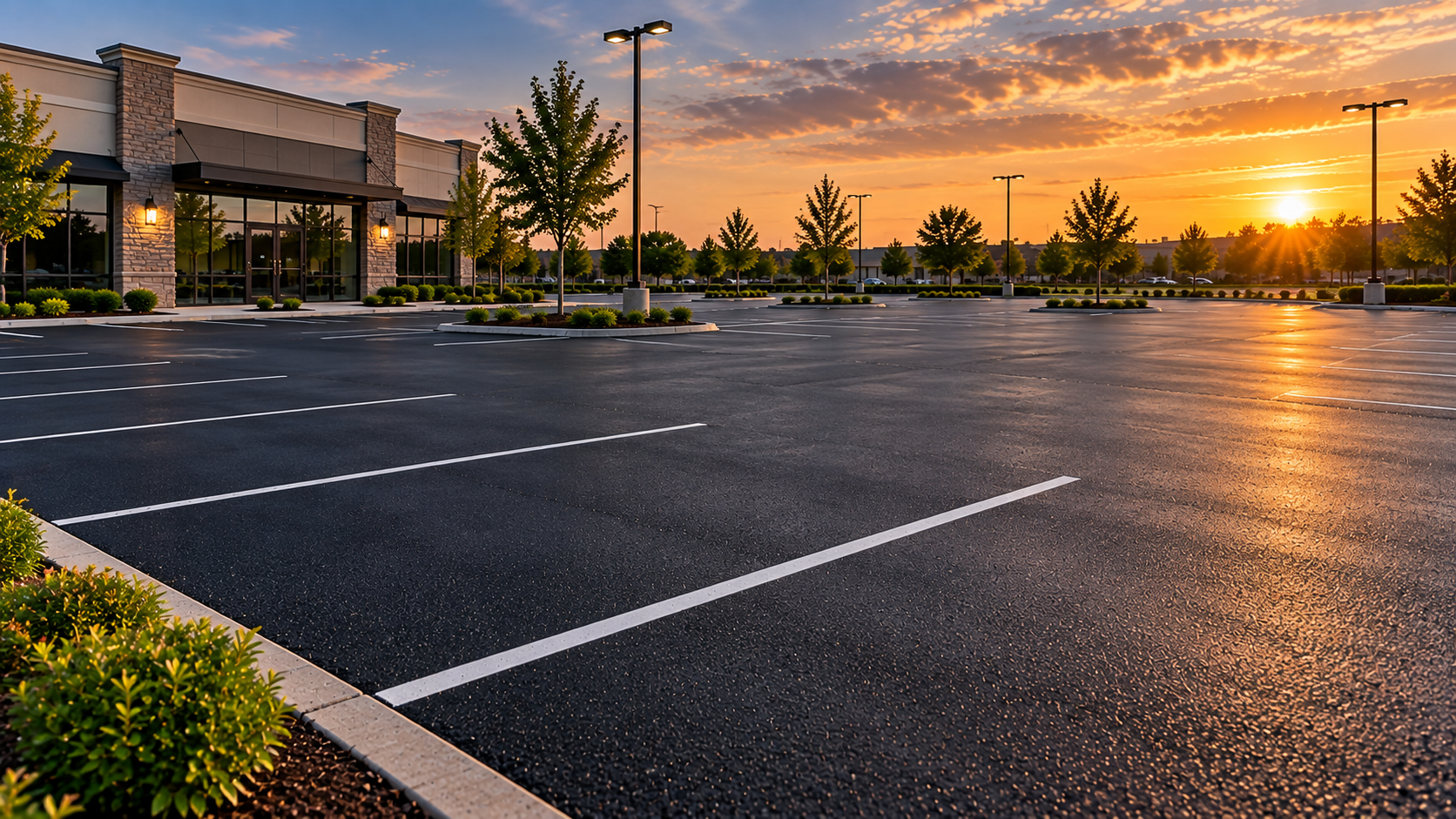
A parking lot has to do more than hold cars. It guides traffic, connects customers to a building, supports deliveries, manages stormwater, accommodates pedestrians, and contributes to the overall appearance of a property. Those demands make parking lot paving a combination of pavement construction, site planning, drainage, and operational coordination.
League City Asphalt Paving provides parking lot paving in League City, TX for businesses, property managers, apartment communities, offices, retail sites, churches, industrial properties, private developments,
and other commercial facilities.
Projects can include new asphalt parking lot construction, full replacement, expansions, resurfacing, localized reconstruction, repairs, and maintenance planning. The appropriate approach depends on traffic, pavement condition, drainage, property layout, and how the site must remain accessible during work.
Parking Lot Paving in League City, TX
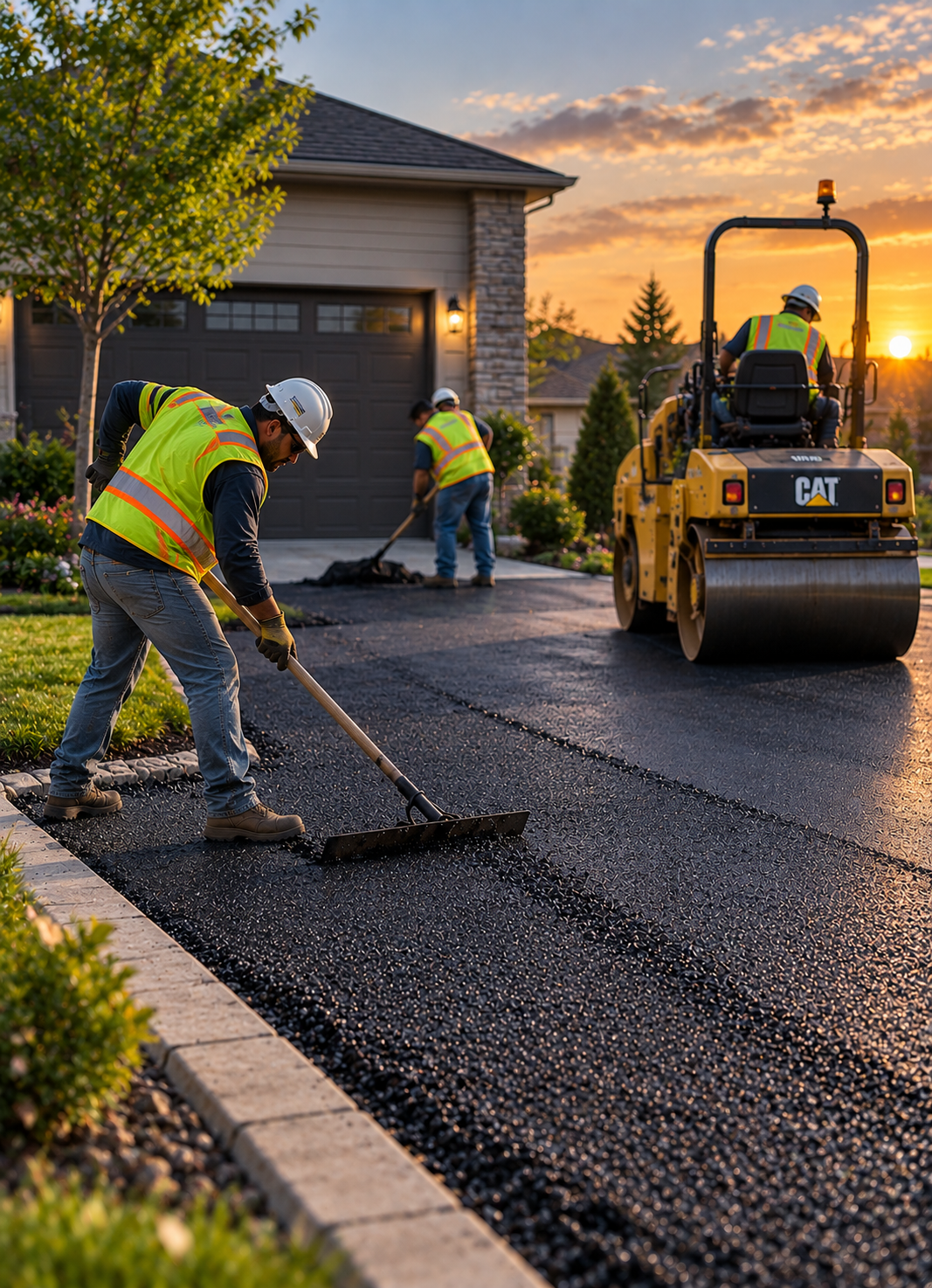
Professional Asphalt Parking Lot Paving in League City
A quality parking lot starts below the asphalt.
The pavement system must distribute vehicle loads into a stable foundation. Surface grades must move watern toward the intended drainage system.
Entrances and drive aisles need to connect logically. Curbs, sidewalks,
drains, loading areas, and building entrances create fixed elevations that the asphalt must meet.
For an occupied property, construction planning must also consider customers, employees, tenants, delivery vehicles, emergency access, and adjacent businesses.
That is why parking lot paving should be evaluated as a site-specific project rather than priced solely by
square footage.
New Parking Lot Construction
New parking lot construction typically begins with engineered or site-planning requirements, depending on the size and nature of the development.
The site is brought to the proper grade, unsuitable material is addressed, and the subgrade is prepared. Aggregate base is installed and compacted as required. Drainage structures, curbs, utilities, sidewalks, and other site elements are coordinated with the paving elevations.
Asphalt is then placed and compacted. After the surface is ready, pavement markings organize parking stalls, accessible spaces, traffic lanes, arrows, crosswalks, loading zones, and other designated areas.
For new development in League City, local requirements can apply to paving, grading, drainage, floodplain development, parking layout, and related site work. Property owners and project teams should verify
applicable approvals before construction.
Parking Lot Replacement
A parking lot may need replacement when deterioration is no longer limited to the surface. Widespread interconnected cracking, recurring potholes, deep rutting, settlement, broken edges, unstable patches, and drainage problems can indicate that portions of the pavement structure have failed.
Replacement allows the old asphalt to be removed so underlying conditions can be evaluated. Weak base or subgrade areas can be corrected, grades can be adjusted where feasible, and a new pavement structure can be installed.
Some lots require full reconstruction, while others can combine deep repairs in failed areas with resurfacing elsewhere. A pavement evaluation helps define those limits.
Parking Lot Resurfacing
Resurfacing can renew an aging lot without removing the entire pavement structure when the existing foundation remains stable. Preparation may include milling, patching, crack treatment, leveling, cleaning, and tack coat before a new asphalt overlay is installed. Milling is particularly useful around curbs, gutters, drainage inlets, sidewalks, doors, and adjoining pavement because it helps preserve elevations.
A resurfaced lot can then be restriped, giving the property a clean and organized appearance. However, an overlay should not be used to hide severe structural failure. Deep problems need to be repaired before the new surface is placed.
Parking Lot Drainage and League City Rainfall
Drainage is one of the most important parking lot design issues in League City.
The city has low-lying terrain and limited natural slope in many areas, while Gulf Coast weather can produce
intense rainfall. Commercial sites often include large areas of impervious pavement, making controlled stormwater movement essential.
A parking lot may use surface slope, curb and gutter, inlets, swales, ditches, detention systems, or other drainage features. The paving grades need to direct water toward those systems.
Standing water can create customer inconvenience, obscure pavement markings, contribute to surface deterioration, and allow water to enter cracks or pavement edges.
If a lot has persistent ponding, the cause should be evaluated before simply placing another asphalt layer.
Traffic Loads and Pavement Design
Not every square foot of a parking lot experiences the same load.
Parking stalls primarily carry passenger vehicles. Entrances and main drive aisles receive more repeated
traffic. Loading docks, dumpster pads, delivery routes, bus areas, and truck turning zones may experience substantially heavier loads.
A pavement design should reflect those patterns. The base and asphalt structure needed for a lightly used office lot may differ from a warehouse or industrial site.
Property owners should tell the contractor about heavy trucks, deliveries, garbage collection, buses, or other concentrated traffic so those areas can be considered during planning.
Parking Lot Layout and Striping
The asphalt surface and the striping plan work together.
Clear pavement markings help drivers understand parking-space boundaries and traffic flow. Depending on the property, markings may include standard stalls, accessible parking areas, access aisles, arrows, stop bars, crosswalks, loading zones, fire lanes, curb markings, and reserved spaces.
Parking layouts may be governed by site plans, accessibility requirements, fire-code requirements, and local ordinances. Paving contractors should follow the applicable plan rather than improvising regulated dimensions.
When an existing lot is resurfaced, owners may also use the project as an opportunity to review traffic flow and striping with qualified professionals before the markings are restored.
Benefits of Asphalt Parking Lots
Smooth Surface for Customers and Employees
Properly constructed asphalt creates a continuous driving and walking surface that supports everyday property use.
Professional Property Appearance
Fresh black pavement and crisp markings can make a commercial property look maintained and organized.
Flexible Maintenance Options
Asphalt parking lots can often be repaired, crack-treated, sealcoated, milled, resurfaced, and restriped as they age.
Adaptability for Expansions
When a property grows or traffic patterns change, asphalt can often be extended or tied into new paved areas.
Practical Construction Phasing
Many commercial lots can be divided into work zones, allowing portions of the property to remain accessiblewhen the site layout permits.
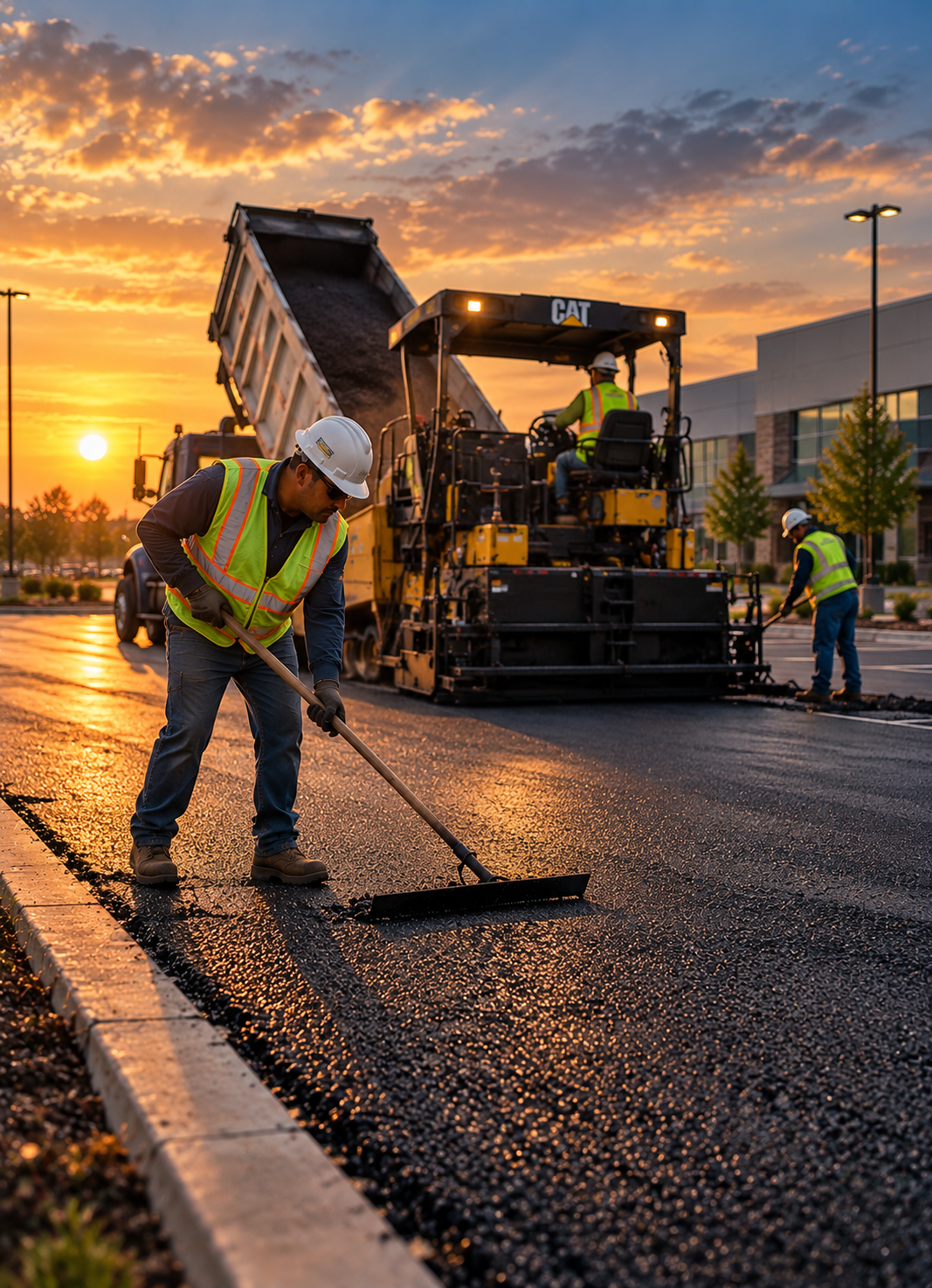
A Typical Parking Lot Paving Process
1. Site Evaluation
The contractor reviews existing pavement, traffic, heavy-load areas, drainage, entrances, fixed elevations, utilities, and operational constraints.
2. Project Planning
The scope is established: new construction, removal, base repair, milling, overlay, patching, or a combination.
3. Traffic Control and Phasing
For occupied properties, the work sequence is planned around customer and tenant access, deliveries, mparking, and safe construction zones.
4. Demolition or Milling
Old pavement is removed or milled where required. Failed areas are excavated to reach stable material.
5. Subgrade and Base Preparation
The foundation is graded and compacted. Aggregate base is installed or repaired according to the project needs.
6. Drainage and Elevation Verification
Grades are checked against curbs, drains, sidewalks, building entrances, and other fixed features.
7. Asphalt Placement
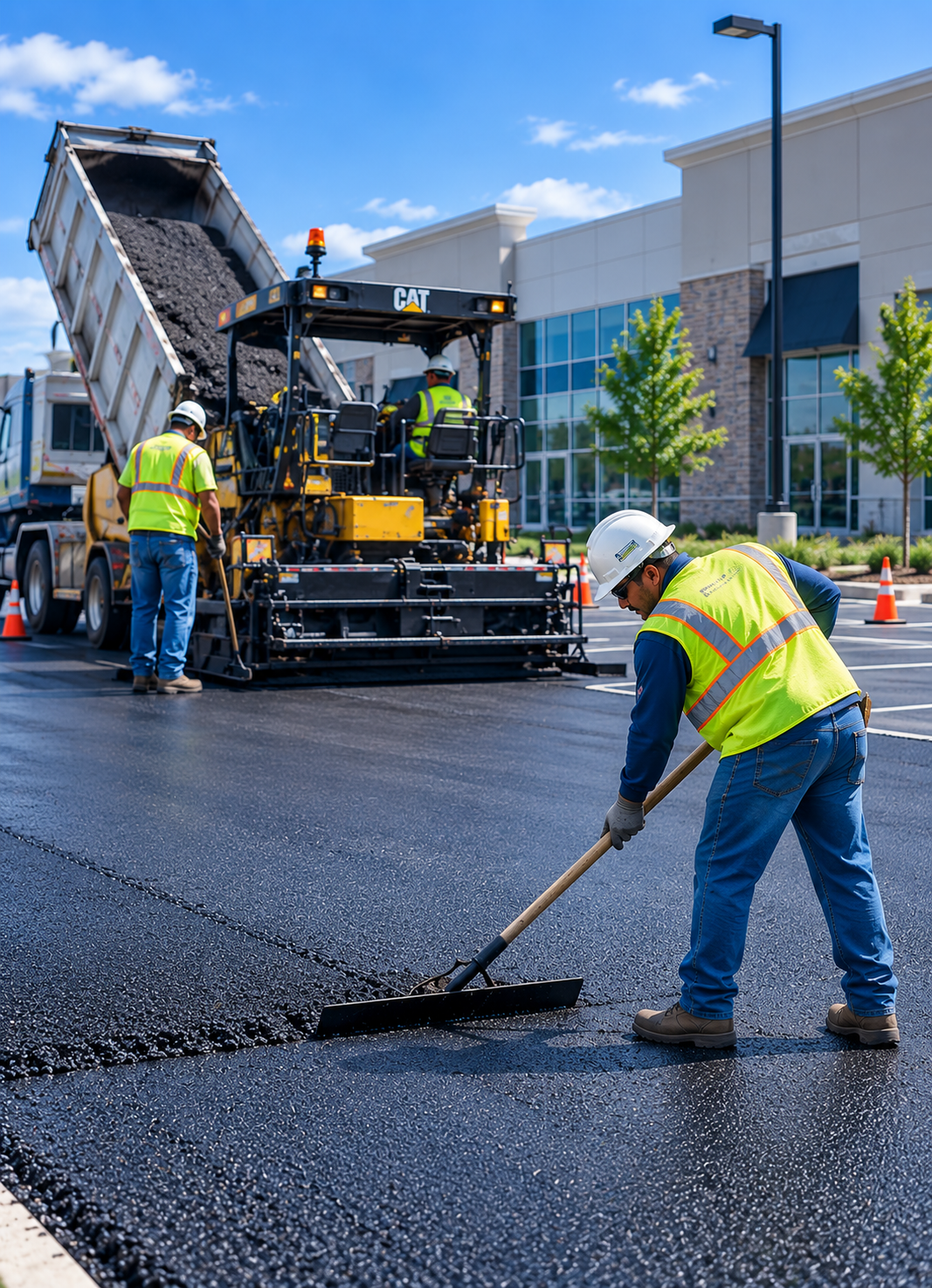
The asphalt is placed in the planned lifts and compacted while hot.
8. Finish Work
Joints, edges, transitions, utility structures, and entrances are completed.
9. Striping and Reopening
Markings are installed after the pavement is ready, and traffic is returned according to the project schedule.
Parking Lot Maintenance After Paving
New asphalt still requires observation and maintenance over time.
Property managers should monitor cracks, standing water, oil or fuel spills, broken edges, failed patches, and worn striping. Cracks that allow water into the pavement system should be evaluated and treated appropriately.
Sealcoating may be useful later for structurally sound pavement showing normal surface aging. Localized patching can address isolated failures. Eventually, resurfacing may renew the surface if the underlying
pavement remains viable.
A planned maintenance approach can make budgeting more predictable than waiting for widespread failure.
Why Professional Parking
Lot Paving Matters
mParking lots combine large surface areas with numerous constraints. A small elevation error repeated across a broad area can create drainage problems. Poor compaction can affect stability. Inadequate base repair can allow failures to return.
Commercial sites also involve coordination. Asphalt trucks, milling machines, pavers, rollers, customers, employees, and delivery vehicles cannot all occupy the same space safely. An experienced contractor plans the construction sequence, understands the importance of foundation and drainage, and communicates which areas will be unavailable.
Choosing a Parking Lot Paving Contractor in League City
Request a detailed scope. It should identify the work limits and explain removal, milling, base repair, grading,
drainage considerations, asphalt placement, compaction, transitions, striping, traffic control, and cleanup.
Ask how failed areas will be handled and whether repair quantities are included or treated as allowances.
Discuss heavy-truck zones separately.
For resurfacing, ask how elevations at curbs, drains, doors, and sidewalks will be maintained. For new construction, confirm that paving will follow the applicable plans and site requirements.
A clear scope makes bids easier to compare and reduces misunderstandings once construction begins.
Why Choose League City Asphalt Paving
League City Asphalt Paving provides asphalt solutions for parking areas of different sizes and uses. We can discuss new construction, replacement, resurfacing, repairs, sealcoating, and related commercial paving needs.
Our focus is on the elements that affect real-world pavement performance: site preparation, foundation support, drainage, traffic, elevations, asphalt placement, compaction, and maintenance planning.
For property owners deciding between patching, resurfacing, and replacement, we can help evaluate the visible condition and discuss which approach fits the site.
Frequently Asked Questions About Parking Lot Paving
How long does an asphalt parking lot last?
There is no single lifespan for every lot. Traffic, heavy trucks, pavement design, drainage, construction quality, soil support, weather, and maintenance all influence service life.
What causes potholes in parking lots?
Potholes often develop where water, traffic, cracking, and weakened pavement interact. A lasting repair may require removing damaged material and correcting the failed area rather than simply filling the visible hole.
Can a parking lot be paved without closing the entire business?
Often work can be phased, depending on entrances and layout. The contractor should develop a sequence that separates construction from public traffic and preserves practical access where possible.
What is the difference between resurfacing and repaving?
Terminology varies, but resurfacing generally means placing a new asphalt overlay over a prepared existing pavement. Full repaving or reconstruction may involve removing the old pavement and rebuilding deeper layers.
Why is milling used around curbs and drains?
Milling lowers the existing surface so a new overlay can be added while maintaining proper elevations and drainage relationships.
How important is drainage for a League City parking lot?
It is critical. League City's low elevation and heavy-rain potential make drainage planning especially important. Standing water can signal grading or settlement problems and contribute to pavement deterioration.
Do heavy truck areas need different pavement?
Sealcoating is generally a preventive treatment for serviceable pavement. Major cracks, potholes, failed areas, and drainage problems should be addressed first
Does new paving include striping?
Striping may be included as part of a project or handled separately depending on the scope. Estimates should clearly state whether parking-space and traffic markings are included.
What should I compare between parking lot paving bids?
Compare preparation, milling or removal, base repairs, drainage work, asphalt specifications, compaction, traffic control, striping, phasing, cleanup, and exclusions - not just the total price.
Request a Parking Lot
Paving Estimate
If your property needs a new parking lot, replacement pavement, an expansion, resurfacing, or major repairs, contact League City Asphalt Paving. We provide parking lot paving in League City, TX with attention to traffic,
drainage, foundation support, site access, and the finish details that keep a commercial property functioning.
Our services include:
Asphalt paving • Asphalt driveways • Commercial parking lots • Asphalt repair • Pothole repair • Asphalt patching • Asphalt resurfacing • Asphalt overlays • Sealcoating • Crack repair • Parking lot striping • Private road paving • Pavement maintenance
A successful asphalt project begins with understanding the property.
Instead of guessing whether you need repair, resurfacing, or complete replacement, have the pavement evaluated and determine which solution makes sense for its current condition and intended use.
Get an Asphalt Paving Estimate in League City, TX
Choose a paving company that understands that quality pavement starts long before the final asphalt surface is installed.
From preparation and grading to paving, compaction, repairs, and preventative maintenance, League City Asphalt Paving is committed to helping local property owners create smooth, durable, attractive pavement.
Whether you're improving your home's driveway or planning a large commercial parking lot project, we're ready to discuss your paving needs.
Contact League City Asphalt Paving today to request an estimate for asphalt paving in League City, TX.
League City Asphalt Paving
Professional Asphalt Paving for Residential & Commercial Properties
New Asphalt Paving | Driveways | Parking Lots | Repairs | Resurfacing | Sealcoating | Striping
Request Your Asphalt Paving Estimate Today
leaguecityasphaltpaving
2001 Central Cir
Suite 301
McKinney, TX 75069
(972) 299-3797
info@leaguecityasphaltpaving.com